
Christian Info News, July 1997
Election '97: What can Christians do next?
BC Christian News, · Editorials
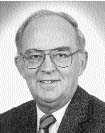 By Gerald Vandezande
THE DIVISIVE federal election campaign is disturbing evidence that our culture and partisan politics are in real trouble. Our country is more polarized than ever before. We face a deep crisis! It goes to the heart of what it means to be mutually respectful in our pluralistic society.
Clearly, Christian citizens face tough choices and unavoidable challenges. All of us, including our churches, educational institutions, media and social-justice organizations must now make some thoughtful, strategic decisions on how we can more meaningfully be salt, light and leaven in Canadian public affairs; how we can more effectively act for the common good and in the national interest.
Lest the current bitterness and ideological divisions destroy our public life together!
As I listened to the election returns and the political commentaries, various questions came to mind. We may want to ask ourselves as well as our own and other faith-communities the following:
As I listened to the election returns and the political commentaries, various questions came to mind. We may want to ask ourselves as well as our own and other faith-communities the following:
- Why did we vote in the ways we did? Which spirit, view of life and political goals motivated us? Which principles and values shaped our political convictions and determined our voting choices?
- What will your favorite leader and party actually do to help bring about:
a) a united country that recognizes the reality of Canada's diversity and mosaic; and
b) a compassionate society that treats all people, including our vulnerable neighbors, with genuine equity and respect?
- How can people of faith more creatively demonstrate Jesus' message of reconciliation? How can we best do justice, show mercy, practice faithfulness, and express love as we engage in political reflection and non-partisan action?
- Which local, regional, and national faith-motivated organizations and resources should be developed and supported (both prayerfully and financially) to help promote positive ways and practical alternatives that will contribute to a more mutually responsible society and a stewardly economy?
- How can you and I, together with our friends and neighbors, become a greater healing and prophetic presence in our respective communities and throughout Canada?
- How can we best affirm life at all stages of development, build com-munity in all areas of life, and practice solidarity in all our activities?
- How can people of faith more creatively demonstrate Jesus' message of reconciliation? How can we best do justice, show mercy, practice faithfulness, and express love as we engage in political reflection and non-partisan action?
I suggest that we view reconciliation more than a settlement of disagreements, or an adjustment of differences. I propose the following working definition and guideline: to reconcile is to end a relation of enmity and hostility, and to substitute for it one of love and justice, equality and mutuality, compassion and mercy, faithfulness and community.
I fully realize that human attempts at reconciliation, the restoration of harmonious relations, will never be perfect and totally satisfactory, but establishing mutually respectful bonds and ties based on equity and integrity are essential steps towards real community and solidarity.
Gerald Vandezande is National Public Affairs Director with Citizens for Public Justice, which is based in Toronto.