
B.C. Christian News, November 1997
Gospel, jazz and blues documented
BC Christian News, · Arts
By John Cody
- Eileen Southern: The Music of Black Americans, third edition, Norton, 1997.
- Francis Davis: The History of the Blues: The Roots, The Music, The People, Hyperion, 1995.
- Bernice Johnson Reagon, editor: We'll Understand it Better By and By, Smithsonian Institution Press, 1992.
- Michael W. Harris: The Rise of the Gospel Blues, Oxford, 1992.
JAZZ AND BLUES are true North American folk music. Jazz is arguably the only form created here rather than imported, and blues, despite originating off the continent, certainly grew up in America.
In the jazz world, composers, including Duke Ellington, Charles Mingus and Charlie Haden have used gospel as a means of expression.
Among the better known figures in blues history, several have had strong ties with the church. The first great blues singer, Ma Rainey retired in the mid-1930s, becoming deeply in-volved in church work before her death. Skip James went from per-forming to pastoring. After being cheated by his record company, James entered the ministry and confined his singing to spirituals. During the blues revival of the early 1960s, he returned to his earlier materials.
In 'Preachin' the Blues,' Son House sang "I'm gonna be a Baptist preacher / And I sure won't have to work." Ministry, like music, was one of the few vocations open to blacks in which the community supported the individual, rather than forcing them to rely on wages from the white population, House went from pastoring a church to serving time in prison after he abandoned his congregation to run away with a married woman.
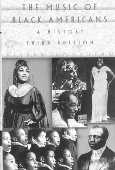
The Music of Black
Americans
* * *
The Music of Black
Americans
At nearly 700 pages The Music of Black Americans covers a lot of ground. The depth is impressive, although the joy in-herent in the music is seldom reflected in the text. Opening with the arrival of the first Africans to the English colonies, we move to the music of the church, the civil war, and on to the present day.
Eileen Southern shows how cultured black music has become. Classical artists such as Leontyne Price are deemed far more important than practitioners of less reputable styles of music, like Prince.
Gospel, as relatively respectable music, receives fair coverage. But there is no mention of classic blues and jazz labels like Chess, Specialty, King or Atlantic, and only cursory looks at many performers who changed the way we listen to music. George Clinton, Sly Stone, even Howlin' Wolf, are slighted; rap music receives a scant five pages.
* *
The History Of The Blues is a far more subjective look, and better for it. Francis Davis is passionate, opinionated, and occasionally flies in the face of accepted wisdom. Many obscure names are cited, with well-founded observations as to why their inclusion is necessary.
He notes that from the 1920s on, many black performers marketed as "blues" musicians were nothing of the sort. Black folk balladeers, gospel performers and ragtime musicians were all listed under the heading of "blues." In fact, the music of black Americans was as wide ranging as that of their Caucasian counterparts.
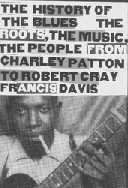
The History of
the Blues
The History of
the Blues
Davis insists that blues, first and foremost, is entertainment, and thus a form of pop music. That assertion would find few takers among music journalists. Traditionally, historians have focused on rural rather than urban writers, betraying a sociological bias that emphasizes areas that matter little to the performers themselves.
That rural blues hap-pens to document sociological conditions is merely a fortunate coincidence. Urban songsmiths from the turn of the century were writing Tin Pan Alley style tunes, innocuous love songs and silly ditties. In a field where too many forget the sheer joy the music encompasses, Davis succeeds in making it fresh again.
* * *
We'll Understand It Better By and By focuses on gospel music, and is edited by Bernice Johnson Reagon.
The opening chapters explore black gospel history, its influence on secular music and its spiritual significance. The main body of the book examines the lives of six influential composers and vocalists: Thomas Dorsey, William H. Brewster Sr., Kenneth Morris, Roberta Marin, Charles A. Tindley and Lucie E. Campbell. Each is given ample coverage via extensive biographies, interviews when possible and examples of the composer's work. Historically these composers' contributions have been undervalued. We'll Understand goes far in righting that wrong.
* * *
For those particularly interested in Dorsey, The Rise of the Gospel Blues is based around his story. Described by Francis Davis as having the potential to be the greatest barrelhouse piano player "until Jesus intervened," Dorsey was the first to term this music "gospel," and the undisputed king of modern gospel music.
After playing with Ma Rainey and achieving success as a blues pianist, Dorsey got right with the Lord. Rather than being welcomed as the prodigal son, however, the composer of such modern day standards as 'Peace In the Valley,' 'Highway to Heaven' and 'Precious Lord, Take My Hand' found resistance to his music.
Dorsey found himself "thrown out of some of the best churches" while attempting to sing sacred blues.
Acceptance was slow in coming, and any hope of a steady income was futile. After five years composing strictly gospel material, Dorsey reverted to earning the bulk of his income from more earthly-minded compositions.
A fine overview of gospel music between the 1890s and the 1930s, this book illustrates just how hard it was to get modern gospel into churches.