
BCCN: Vivaldi's choral work getting more recognition
BC Christian News, · Arts
• BC Christian News • AUGUST ISSUE 2000 • VOL. 20 #8 • Formerly "Christian Info News" •
Vivaldi's choral work getting more recognition
- - - - - - - - - - - - - - - - - - - - - - - - - - - - - - - - - - - - - - - - - - - -
By David F. Dawes
ANTONIO VIVALDI (1678 - 1741) was a dedicated Catholic, ordained as a priest in 1703. He spent much of his career as musical director at the Ospedale della Pieta, a Venetian institution for orphaned girls.
He was a virtuoso violinist, and a prolific composer -- writing an estimated 600 concertos and 46 operas. He is justly famous for his wonderful orchestral masterpiece, The Four Seasons. However, his great vocal and choral works -- such as his Magnificat, Stabat Mater, Beatus Vir, Gloria and Nisi Dominus -- have not quite received the renown bestowed on the sacred works of his baroque contemporaries, Bach and Handel. These two recent releases should go a considerable way toward remedying this.
• Riccardo Muti: Vivaldi - Magnificat / Gloria, EMI Classics, 1999.
Featuring top-notch performances of two of Vivaldi's greatest choral works, this is a digitally remastered edition of an excellent 1977 recording. In each piece, Vivaldi employs several distinct vocal styles to give the sacred texts a wide variety of emotions.
The Magnificat, Mary's great proclamation from Luke 1:46-55, is given a stately -- verging on sombre -- opening. This is followed by a sprightly aria -- "My spirit hath rejoiced in God my Saviour" -- which then leads to an evocation of Mary's gratitude and humility. The moods of the next choruses effectively reflect God's mercy, and his attitude toward the proud and mighty.
The opening of the Gloria is suitably triumphant. The music then becomes tranquil, meditating at length on the peace of God. Highlights include 'Domine Deus' (Lord God, heavenly King), a slow aria expressing awe toward the Father, which is followed by a surging, urgent chorus celebrating the Son; 'Domine Deus, Agnus Dei' (O Lord God, Lamb of God), which imploringly captures the pathos of Christ's sacrifice; and the joyful and spirited finale. Fine work all around, by conductor Muti and the New Philharmonia Chorus and Orchestra.
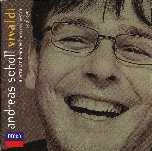
• Andreas Scholl: Vivaldi, Decca, 2000.
German countertenor Andreas Scholl showcases some of Vivaldi's works for solo vocal.
The major composition, Nisi Dominus, combines Psalm 127 and the Catholic doxology, 'Gloria Patri.' It begins with the famous passage, "Except the Lord build the house, they labour in vain that build it." Scholl is especially effective here, clearly asserting the confidence expressed by the scripture.
His talent, and Vivaldi's creativity, particularly shine in the centre sections of the piece: the lyrics, extolling the importance of children to God's plan, are essentially celebratory; but instead of the obvious exuberance the words inspire, the composer has these portions performed very slowly and quietly, focussing attention on the deep meaning of the words.
Both Vivaldi and Scholl get a lot of musical mileage out of simple concepts; this is amply demonstrated in the finales of several pieces, in which a single word --'Alleluia' or 'Amen' -- is repeated many times with great musical variety.
Throughout, Scholl's assured voice demonstrates artistic empathy with Vivaldi's intentions, and conveys the meaning of the material with warmth, brightness and sensitivity.