
• BC Christian News • JUNE ISSUE 2001 • VOL. 21 #6 • Formerly "Christian Info News" •
Pearl Harbor: promoting the glory of combat
TWO YEARS ago, I came across a book that profoundly affected both how I watch movies and how I read my Bible. In Saint Paul Returns to the Movies: Triumph Over Shame (Eerdmans, 1999), New Testament scholar Robert Jewett describes how ancient systems of honour and shame shaped the Greco-Roman culture in which Paul wrote his epistles, and he uses modern films to explore how Paul's ideas about honour and shame -- and the victory over shame that Christ accomplished through his death on the cross -- might apply in our own time.
Since reading Jewett's book, I have come to see that honour and shame play a much bigger role in the stories we tell than I had ever realized -- and, more often than not, the films we see take for granted the idea that pursuing glory is an inherently good thing. Two early summer movies provide cases in point.
• Pearl Harbor
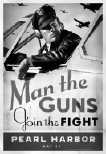
In an age when movie directors tend to come from the advertising industry and not, say, the theatre, it makes sense that the posters for Pearl Harbor, a romantic but bom-bastic war epic from the folks who gave us the disaster flick Armageddon, mimic the re-cruiting ads produced during World War II. Sign up! Enlist! Join the fight and be all you can be! Unlike Saving Private Ryan --which, whatever its faults, exposed the grisly nature of war and presented its audience with a morally challenging premise (namely, should eight soldiers be sacrificed to rescue one private?) -- Pearl Harbor keeps the violence safe, stylish, and suitable for a PG-13 rating, and it appeals directly to the popular belief that glory can be found through taking part in military combat.
Pearl Harbor has been attacked by some for its jingoism, and rightly so, but the film is not as one-sided as the criticisms suggest. The film goes out of its way to avoid giving its Japanese audience undue offence -- and, if anything, it commends the Japanese admirals and pilots for following their own code of honour. In the end, Pearl Harbor is a war movie that praises honour for its own sake, and it never explores how worldly notions of honour play a part in pushing nations towards war in the first place.
• A Knight's Tale
Another current film that celebrates the pursuit of glory is A Knight's Tale, a deliberately anachronistic sports flick that sets medieval jousting matches to classic rock 'n roll. The hero of this film is William (Heath Ledger), a dashing young peasant who pretends to be a nobleman in order to fulfill his dream of becoming a jousting champion. While the real knights leave the competitions behind once in a while to go fight in the wars of that era, William gathers his trophies and tries to win a lady's heart.
The film subverts old notions of honour and shame to a limited degree -- inasmuch as William shows, through his success on the jousting field and the goodness of his character, that true glory and honour are earned, not inherited. And, briefly, the film even mocks the whole notion of the pursuit of glory; in one of the film's funnier scenes, William rapturously declares that he will win great victories to win his lady's love; but she replies that, if he really loves her, he will lose, and make a fool of himself for her.
This test, however, is quickly passed, and William returns to his victory-seeking ways, with his lady's blessing. But for a short spell, the film touches on a truth that is central to the gospel: sometimes, love requires us to forget all about honour and humiliate ourselves.