
A precarious peace in Nigeria
BC Christian News, · International
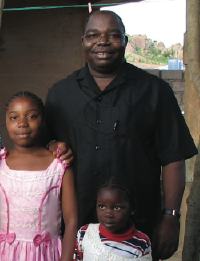 |
ON September 7, 2001, Gopar Tapkida had just returned to Jos, in Nigeria's Plateau State, after studies in the U.S. - when the city erupted in violence, sparked by anti-Christian riots. "Many people were killed, many homes destroyed, many churches and mosques destroyed," he says.
In a city that was known for peaceful relationships between Christians and Muslims, trust was quickly replaced by anger and fear on both sides. Tapkida, fresh from earning a master's degree in peace studies from Eastern Mennonite University, was the new coordinator of peace programs for Mennonite Central Committee in Nigeria, and he had his work cut out for him.
The Jos crisis took people by surprise; but in much of northern Nigeria riots, killings by the thousands and the destruction of hundreds of churches and mosques have marked Christian-Muslim relations in recent decades. The introduction of the Islamic-based sharia law in 12 of 19 northern states in the past five years has only intensified feelings of suspicion and mistrust.
MCC's focus is on personal and institutional transformation. Workshops encourage both Christians and Muslims "to look inward at what it is we have also contributed" to the conflict, says Tapkida. Solutions come from the participants themselves.
"We do not come to sessions with answers to their questions but come with questions that provide opportunity for them to talk." This approach appears to work. "Many people have been transformed," says Tapkida.
Further north, in Kaduna State, a peace declaration signed by Christian and Muslim leaders in 2002 is testament to the hard work by faith communities in the wake of sporadic bouts of violence. The region is now "peaceable, not peaceful," says James Wuye, a pastor who, along with Muslim imam Nurayn Ashafa, co-directs the Inter-Faith Mediation Centre they founded together in 1995.
Slowly, through peace-building workshops and honest dialogue involving both Christians and Muslims, "we can heal the rejection and hurts and the suspicion we have for one another," says Wuye.
Wuye's own transformation began after, as a young man, he lost his arm in an attack by a Muslim. He hated Muslims so much he was willing to kill them. But then he attended a Christian conference, where he was told he should reach out to Muslims with love. Convicted, he experienced a change of heart.
The models used by MCC and the Inter-Faith Mediation Centre are being replicated in other parts of the north, but time will tell whether peace will really take hold, especially with the encroachment of sharia law. "We have a long way to go," says Tapkida.
For a more in-depth look at Nigeria, and a wide variety of other topics, be sure to check out Christian Info's Mission Fields magazine, available at most churches.