
Homeless everywhere; shelters needed
THOUGH Christmas has passed, B.C.'s winter has set in for the long haul. And what may be a sentimental winter wonderland for some can be a sure ticket to miserable conditions for those living on our streets.
"In the last two years, the percentage of homelessness [in Surrey] has increased 143 percent," said Annette Welsh, director of the Front Room, a Whalley drop-in centre run by South Fraser Community Services, which also operates the Gateway cold weather shelter in the same building.
"Additional shelters have not kept up the pace. On any given night in Surrey, over 200 people sleep outside. Homelessness is in almost every Surrey community."
Welsh told BCCN that government-funded programs, like the Gateway shelter, have a limited budget and depend on the servant hearts of the local faith community to fill in the gaps.
"The church is the largest source of volunteers in this sector," she said. "The profile of homelessness is really raised in the faith community. It's really the most tangible thing they can work with and see results. There is not a government agency that could afford to run this kind of response without the huge amount of volunteers we have."
Ron VanWyk, director of employment and community development at the Mennonite Central Committee B.C. (MCC BC) in Abbotsford, told BCCN homelessness is not only rising in urban areas; the Upper Fraser Valley is also experiencing an influx of homeless people, as well as those at risk of losing the homes they have.
During the 2005 January cold snap, eight regional churches welcomed their homeless neighbours to spend the nights dry in their church buildings.
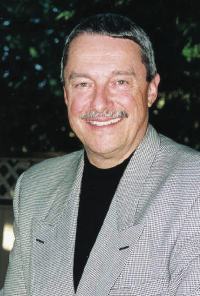
Newly-elected mayor of Langley City, Peter Fassbender, told BCCN that, until affordable housing and other long-term solutions are found, emergency shelters are needed during the winter.
"Emergency shelters . . . are both practical and also meet the need that this weather requires," he said. "I am not sure, no matter what we do in the long term, that there will not still be a need for emergency shelters in extreme weather conditions."
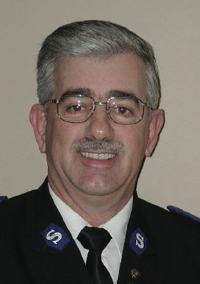
Langley City has not one permanent shelter to house the estimated 100 homeless living there. Although Abbotsford has had the Centre of Hope, a Salvation Army shelter, since 1993, it took seven years to open. Salvation Army envoy Gary Johnson told BCCN it would take at least two or three years to develop a similar one in Langley.
"We are looking for a temporary residence for a permanent [Langley] shelter," Johnson said. "It would be a Salvation Army shelter, open 24-7, with three meals a day available, staff to work with people during business hours to do counseling and start a continuum of care, to take them from being homeless and into treatment or detox."
According to Johnson, funding for a shelter is available if he can find a building with room for 10 to 25 people, preferably with "a couple of thousand square feet" of space. But he said he experiences a lot of the NIMBY ('not in my backyard') syndrome.
"These [people] are human beings; they're not all criminals like we make them out to be."
Fassbender agreed.
"We need to find out what the issues are and then make sure they are connected with agencies or other bodies who are prepared and qualified to help," he said.
"As Canadians we need to make a place for social policies that approve affordable housing for people who cannot afford market housing," said VanWyk.
Welsh said the economic boom B.C. has experienced as of late brings new immigrants and more housing development into the province, destroying affordable housing for low income residents and forcing them into the streets.
James Pratt, coordinator for the Lower Mainland Cold/Wet Weather Strategy (CWWS) in Greater Vancouver, told BCCN the rate of homeless seeking shelter these coming months is expected to exceed last year's numbers by 20 percent.
Judy Graves, coordinator for the Tenant Assistance Program at Vancouver City Hall, told BCCN there is more significance when churches invite the homeless in for a warm meal, some fellowship and a quiet, dry sleep.
"I believe these programs to have a greater value than shelter and food alone," she said. "Neighbours who live inside get to know neighbours who live outside, with great benefit to all. Genuine community can form in the neighbourhood, people who feared each other become a light to each other."