
The coming year -- seen through God's eyes
FOR THE THIRD year running, a special illustrated, gospel-oriented calendar has been issued by Vancouver's University Hill United Church -- and it is proving to be a hit with Christians across North America.
The purpose of the 'Salt of the Earth' calendar is to provide a Christian perspective on the upcoming year, by dividing the conventional calendar into seven 'Christian seasons' instead of the traditional 12 months (See illustrations below).
One of its creators, Rev. Dr. Ed Searcy, explains: "This calendar is a reminder to the person using it that there is a different time going on here -- that we're living in God's time, not the world's time."
The introduction to the calendar expands on this concept: "The Christian year is a storybook, unfolding the loving action of God in Christ and our response in lives of trust and obedience. This calendar subverts the 12 months of the secular calendar to the distinctive rhythm of the seven seasons of the Christian year. It is an invitation to allow the rhythm of our life in Christ to form us over time into 'salty' communities, for the sake of the world God loves." The calendar, Searcy says, is "kind of a subversive, alternative statement. It intends to change the identity of the community subversively, from beneath." According to the United Church Observer, the idea originated with University Hill staff member Janice Love. While at Vancouver School of Theology, she and her husband Jim had begun celebrating a Christian 'New Year' every December on the evening before Advent. Love says the celebrations were "a way of saying that as Christians, we celebrate a different New Year -- our year starts at Advent."
Searcy, she says, later reinforced that perspective, by pointing out "the fact that Jewish people mark time in a completely different way -- so why not Christians?"
'Salt of the Earth' has been endorsed by theologians such as Walter Brueggemann of Columbia Theological Seminary, who says the calendar "may, in quite concrete daily ways, provide a form of resistance against the timelessness of consumerism -- back into the timefulness of our faith." Stanley Hauerwas of Duke Divinity School declares: "Reclaiming the calendar as our time [reminds] us that we are constituted by the narrative that is quite different from Canadian or American national holidays."
The calendar has grown considerably in popularity. The first edition of 100 was created just for the congregation's members. Last year's version, designed as an outreach, had two print runs, totalling 2,000 copies; this year, the church is printing 7,000 -- and there are tentative plans to print an additional 13,000. The calendar has been bought by Christians from various denominations.
The concepts behind each season, including their scriptural basis, are as follows:
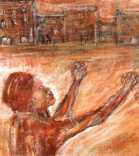
ADVENT
December 1-24
In Advent, we wait expectantly to celebrate the coming of the Christ Child and the full coming of God's Kingdom of peace.
Isaiah 64:1-2b
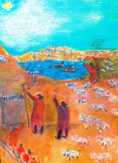
CHRISTMAS
December 25 - January 5
Christmas is a 12-day celebration of the gift of Jesus to the world.
Isaiah 52:7

SEASON AFTER EPIPHANY
January 6 - March 4
Epiphany manifests Jesus' divine mission and calls us to respond.
Jonah 2:1b, 9-10

LENT
March 5 - April 12
Lent is a 40-day season of reflection and preparation for Holy Week and Easter.
Mark 8:34b
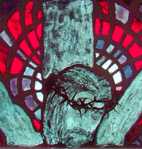
HOLY WEEK
April 13-19
We enter our highest holy time retelling the final week of Jesus' life: his arrest, trial and crucifixion.
Mark 15:34, 37

EASTER
April 20 - June 7
Our high holy time culminates in Easter, a 50-day celebration of the resurrection of Jesus.
Acts 4:32-33

SEASON AFTER PENTECOST
June 8 - November 29
The gift of the Holy Spirit to the Church at Pentecost prompts and guides our response through this long season of growth in discipleship and service.
Proverbs 1:20, 22a, 23.
For more information, contact: 604-681-5900.