
Native, Catholic traditions meet in lecture at Waterloo
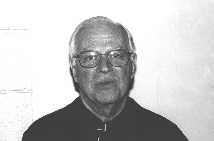 |
The invitation to participate in a traditional Anishinabe sacred smudge ceremony was given to members of the Feb. 9 audience at the 'God of Life, God of Hope' lecture series at St. Jerome's Centre for Catholic Experience in Waterloo.
It was issued by Sister Eva Solomon for the purpose of asking the Creator for minds open to whatever he wanted to give. As she shared gifts God had given her, she wafted smudge pot smoke across her face in her own approach for cleansing, then circled the hall with a pot and feather to encourage those who wished to do the same.
The atmosphere was expectant as this recognized native spiritual leader in the Anishinabe tradition of Ojibway First Nations of Northern Ontario laid the groundwork for dialogue. The audience stood in agreement as she stated God's identity as Creator of the world -- the God of love whose Spirit moves in mysterious ways. She said the mystery of Jesus' death and resurrection goes beyond time, space and human limits.
A member of the Sisters of St. Joseph in Sault Ste. Marie for 30 years, and holding a BA and B.Ed in native studies, Sr. Solomon has taught and lectured on spirituality. She initiated and developed the Pious Association and the Companies of Kateri Tekawitha, which is committed to the inculturation of faith as an inherent part of evangelism. Currently in the doctor of ministry program at the Catholic Theological Union in Chicago, she concentrates on cross-cultural studies.
Sr. Solomon wove the story of Jesus at the well into her lecture on inculturation of faith, beginning with her identification of the Samaritan woman as a person from another culture who was faced with questions about the right way to worship.
Raised by Roman Catholic parents, Sr. Solomon watched her father, in a period of bitterness and anger, react to imposed faith by reclaiming his own roots as a native person. He even separated himself from the church for a time. Realizing that her father was angry at a system that destroyed something God had given the Anishinabe, Sr. Solomon said, "I thought there must be some way these two can come together, without having to deny one or the other."
Her personal journey as a young person included taking the Samaritan woman's part in an evangelistic drama of the Bible story. "This is not (just) the Samaritan woman's question," she thought, "this is Eva Solomon's question!" Sr. Solomon struck a parallel between the Samaritan and Anishinabe situations. She was impressed with the directness, respect and lack of condemnation with which Jesus treated the woman at the well.
"True worshippers," Sr. Solomon said as she repeated Jesus's words, "ill worship the Father in spirit and in truth. That's the kind of worshipper the Father wants . . . whether you worship in the structured church or this traditional way."
Jesus touched the woman with truth and spirit. Taking Jesus' words for herself, Sr. Solomon decided that that was the person she wanted to be: "When I stand before God, I want to know both my (born into) native traditional faith and the (chosen) Christian tradition that complete me as the person I am."
Elders sowed the Anishinabe harvest by teaching the people to live with respect, honour and dignity.
"If Jesus stayed with the Samaritans just two days, what did that mean in terms of all the ceremonies and traditional ways with which the Samaritans worshipped?" Sr. Solomon asked. She showed how Jesus let the woman "figure out her wrongdoing" in light of his truth and her confession. He gave the Samaritans who came to hear God's essential truth the same respect, letting them "put together their own cultural procedures."
A sacred pipe carrier in the Anishinabe tradition, Sr. Solomon removed jewellery and glasses in a gesture of humility and "nakedness" before God as she brought representatives from the audience to share a sacred pipe ceremony. The ceremony centered thanks and honour on God, his gifts and blessings and raised prayer for the community.
Such ceremonies are not locked in by written procedure, but each is specific to the moment and participants, said Sr. Solomon.
The Endeavour