
Mennonites open drug treatment centre in Mexico
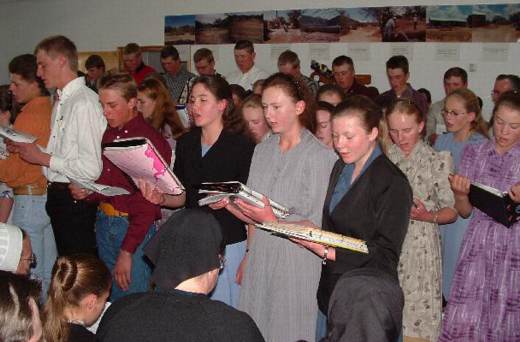
NEARLY 3,000 people gathered in the Manitoba Colony of a Low German Mennonite community in Chihuahua, Mexico on February 15. The occasion was the grand opening of the 7,000 square foot Centro de Rehabilitacion, a drug and alcohol treatment centre for men.
The new facility, designed to accommodate up to 60 men at a time, is nestled in a picturesque Mexican rural hillside overlooking several Mennonite villages located approximately 20 kilometres northwest of the city of Cuauhtemoc. Once fully operational, the centre will employ two directors and a compliment of paid and volunteer workers including counselling, medical, maintenance, and kitchen staff.
½The numbers at the opening exceeded all our expectations,… said MCC worker John Janzen in a written report.
"It was an incredible experience to see and feel the high level of support and interest in this new work within the [local] communities," he said. Only 900 people got to sit inside. The rest of the nearly 3000 in attendance had to sit and listen to the program from the courtyard.
Community discussions for the construction of a treatment centre began in 2000. Nearing the completion of the building process, people within the community requested management support from the Mennonite Central Committee (MCC).
In September 2003, Janzen, a retired school superintendent from Manitoba, Canada, and his wife, Ruth, agreed to a two-year MCC term. They offered support in establishing guiding principles for the centre, facilitating job training programs for local staff, assisting in the development of prevention programs, and writing job descriptions.
The treatment centre is a collaborative effort, says Mary Friesen, director of the MCC Low German Program. "Leaders in the different churches, including the Old Colony church, are working together for the first time in addressing a common goal," she says.
Mexican treatment centres have always been available for those suffering from addictions, but Low German Mennonites have made only limited use of their services.
Differences in historical background, faith, and language have been difficult to overcome, says Friesen. Staff at the new treatment centre in Manitoba colony will treat clients in their own tongue.
Most Low German Mennonite men speak Spanish, but most women don't. "Addiction is a problem that affects the whole family, and that means the healing process must include the women as well," says Friesen.
Funding for the treatment centre will be provided by the local communities, churches, and individual donors.
The mayor of the city of Cuauhtemoc made a 1 million peso ($100,000 US) presentation at the opening ceremonies and praised local leaders for their initiative.
The mayor commended the Mennonite community for taking a bold step and for providing a Christian centre of healing and rehabilitation, said Friesen. "I sensed a relationship of support and respect for the work the Low German Mennonites are about to start," she says.
Low German Mennonite communities have always made a significant contribution to the local economy, resulting in good relations with the government.
The centre will begin accepting clients within the next few months.The administration has already received inquires from several individuals willing to begin the long journey of recovery.
Friesen expects others may want to transfer to be closer to home. "I commend them for their community spirit, and I was overwhelmed by their support" says Friesen.
"The opening ceremonies were over two hours long, and most of the people who came sat outside. They showed a real desire for this program."