
By Linda Friesen
LYNDA PRINCE was torn from her tribe and culture in the isolated village of Tache at age five, to be placed in a residential school. Her identity was crushed and alienated; she experienced tremendous hurt and anger.
Vowing to come back to her people -- the Carrier of central B.C. -- but harboring a desire for vengeance toward Christianity, she studied business administration at Cariboo College in Prince George and took teacher's training at UBC. Along the way, at age 24, she also received Jesus Christ as her Lord and Savior.
And so, and despite her early experiences, Prince returned home as an agent of God's grace and healing. Although suspicion and persecution dogged her constantly, Prince's education allowed her many opportunities to share her faith while serving her community. Even in the face of death threats from local shamans she continued to boldly share the gospel.
In 1980, she was invited as a representative of the indigenous people of western Canada, to meet the Pope in Rome for the beatification of the first North American Indian saint.
Shortly thereafter she was instrumental in training teacher's aides, so that schools would be established in her community and children wouldn't be wrested from their culture the way she had been.
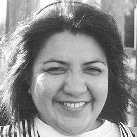
Lynda Prince
Lynda Prince
Prince volunteered as the first missionary from her people to serve with YWAM (Youth With A Mission), in Central America. Overwhelmed by the poverty and suffering encountered during her stay, she relinquished her savings and belongings, returning with just the clothes on her back. Her actions triggered others to follow her example.
In June, 1994 she was installed as the first female tribal grand chief of the Carrier Sekanie Tribal Council, which encompasses 62,000 square miles, 12 communities and 16,000 tribal members.
In October, 1995 a precedent was set in Fort St. James, when she, as grand chief, joined in the dedication of the New Testament in her language, the first ever completed among the First Nations peoples of B.C.
Says Prince, "There was great pride that day; even the people that are not yet saved were ecstatic about this because they now can read and revive their language, and what better way to revive your language and culture than to read the word of God? It had a tremendous impact. For some, the Bible is the first book they've ever read."
She stepped down from her position as grand chief after three consecutive terms, but the borders of Prince's ministry continue to expand. Next spring she will head to Israel to minister to Ethiopian Jews. She has also accepted an appointment to participate in a World Council of Indigenous Christians, and is serving as a Canadian director for the International Reconciliation Coalition, which devotes itself to intercessory prayer. And she will soon travel to Hawaii to assist on a book for Native Americans.
"I've always felt that when people talk about missionaries and reaching the nations for Jesus, that there is also a big mission field right here in North America; people need to be reached here just like they do in other parts of the world, whether they be native, African or whatever. So as I go to the nations and am obedient to God, I'm praying that as I give of myself, God will give and pour back into my own community" (Joel 3:14).
Prince will give her testimony at Missions Fest '98, January 30 - February 1.