
By Debra Fieguth
"I FEEL like I've been through a battle," said Elijah Harper at the conclusion of the Sacred Assembly.
Throughout a week of hearing people vent frustrations, lash out, lay blame, and even insult him personally, he sat quietly listening with infinite patience.
In the end there was little healing evident, and few concrete suggestions for reconciliation between Native and non-Native in this land. But Harper was reflective. "I think we realized the kind of work that needs to be done," he said in an interview.
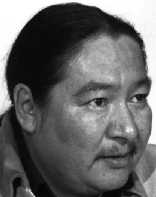
Elijah Harper
Elijah Harper
Harper's vision for a sacred assembly began in 1995, during a summer of trouble, at Ipperwash in Ontario and at Gustafson Lake in British Columbia. But his burden for the nation had been growing for some time, and for many months he had been suffering from an undiagnosed illness.
It was during that summer that Harper returned to the Christian faith and committed his life to Jesus Christ. He was baptized.
He was also healed, but not before he suffered tremendously. "I even prayed to God that he'd take me away," he says.
"The depth of my illness is what has helped me," Harper says. "I think it sort of prepared me -- what you call travailing. I'm suffering for someone now."
Harper says the anger directed towards him during the week, especially by the young people, affects him physically, emotionally and spiritually, but it doesn't bother him. "If it makes them feel better, I'm prepared to do it," he says.
Harper says he will continue the vision of reconciliation in the country, "because I truly believe that this vision was divinely guided and spiritually inspired."
But he called on Native people to come together in unity. "It breaks my heart today to see that our people are not together," he said in one of the final sessions.
"People say we have to go beyond the victim mentality," he said, "and I say go further: pray for those people that have done these things to us, so that the laws will be changed, so that there will be social justice among all people.
"Some people saw a need to create tolerance, [but] tolerance is like treating a patient with pain. You have to go much more beyond that. This is what the Sacred Assembly is about."
Harper often uses biblical images without making specific references. He talks about the "stripes" for the young people. He says he was inspired by one young man who talked about having faith, or hope in something that is not seen.
Although he was expecting many more people to attend, he says he was not disappointed. He hopes to call another sacred assembly, but not just yet. "I feel like I've been through a battle," he says, adding that most of his battles are not with flesh.
Is Elijah a prophet? "I don't think so," he says. "All I'm trying to do is carry on the vision." But then, neither did Amos claim to be a prophet.