
B.C. Christian News, November 1997
Vancouver's epidemics: a challenge for the church
BC Christian News, · Editorials
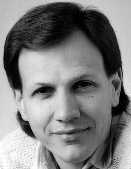 By Dave Diewert
TWO EPIDEMICS are gaining momentum in Vancouver; not the measles or some new strain of the flu virus, but epidemics of pain and death. Their epicentre is the Downtown Eastside, which reels from the shockwaves of these tragic disturbances.
The epidemics are the increasing number of deaths due to drug overdoses and the rapid spread of HIV among injection drug users.
Both of these epidemics have been well researched in the past few years.
In 1994 the Chief Coroner of B.C., Vince Cain, submitted a report which documented the alarming increase of overdose deaths in B.C., from 39 in 1988 to 331 in 1993.
Of the 331 deaths in the province in 1993, 216 were within the Metro Vancouver area, and the majority of these within the Downtown Eastside. Since this report was issued, approximately 1,220 people have died of drug overdose in the province, again with Vancouver leading the way.
The Chief Coroner was convinced that the tide of death could be stemmed if coordinated and comprehensive action was immediately undertaken; the failure of society in general and the Christian community in particular to take up this challenge signals a profoundly disturbing disregard for human life.
Since 1993 another deadly epidemic has raised its ugly head in Vancouver, striking particularly hard the community of the Downtown Eastside: namely, the spread of HIV among injection drug users (IDUs).
Between 1988 and 1992 the prevalence of HIV among Vancouver's estimated 6,000 - 10,000 IDUs was less than two per cent.
Since 1993 that figure has been growing rapidly, so that in a 1996 study of just over 1,000 IDUs, the HIV prevalence rate had increased to 23 per cent. This figure is the highest in North America, according to the 1997 National Action Plan on HIV, AIDS and Injection Drug Use, a document produced by the Canadian Centre on Substance Abuse and the Canadian Public Health Association.
According to the same 1996 study, the projected rate of new infections is 18.6 per cent, which means that of every 100 IDUs 19 will become infected over the course of the year; on the basis of estimating 8,000 IDUs in Vancouver, over the next year there will be approximately 1,500 new cases of HIV -- the highest infection rate in the developed world.
This issue has been in the Vancouver media recently, especially since the September meeting of the Vancouver-Richmond Health Board, at which the board passed a motion declaring this to be an emergency situation.
Although $3 million dollars has since *** been allocated by the board to subsidize projects aimed at curtailing the epidemic in the Downtown Eastside, all agree that this sum is desperately insufficient for any comprehensive program capable of seriously countering the spread of death.
Now, lest we forget: behind the statistics are the actual lives of real people, with unique stories. Though marginalized and stigmatized, injection drug users are individuals of immense value, not because of what they produce or consume, but because they are human beings bearing the divine image like you and me, courageously struggling to go on, in many cases with terrifying images of past abuse tearing at their minds and hearts.
Those who wrestle with drug addiction must not be viewed as expendable in Vancouver's bid for world-class status; nor should they be condemned and abandoned by a church caught up in its own bid for righteousness and "holy" success. To allow these epidemics of death to continue without seriously and immediately responding to them would be to fail utterly in this enterprise of being God's people in the world.
It is not enough simply to pass the buck on to governmental agencies with their ever-shrinking pool of resources. Like the Hebrew midwives in Exodus 1, our stance ought to be one of protecting lives against the spread of death.
The Downtown Eastside, with its high IDU population, is desperately in need of housing (a fundamental determinant in the spread of these epidemics), detox facilities, treatment centres and other resources necessary for protecting and stabilizing people's lives.
The reports are in, the recommendations are plentiful, and people are desperate and dying. Now is the time for concerted and coordinated action, and the church can play a valuable role in responding to this situation.
The only epidemic more deadly than those I have spoken of is the infectious spread of silence and indifference.
Dave Diewert is a founding member of Friends of the Downtown Eastside and lives on the edge of the community. He teaches Hebrew at Regent College.