
Peacemakers are despised when needed most
BC Christian News, · Editorials
 |
I GREW UP in a hard-fisted town where schoolyard fights were rites of passage, almost sacraments.
In spring, when boys go out to war, we fought almost every day. It was what we did instead of talking, an intimacy by other means - the fellowship of the fists.
Most fights were held in the woods just beyond the edge of the school grounds. That way the teachers couldn't see us, though they could hear us - loud as a rabble - if they walked outside. But they rarely did.
The fighters squared off. Everyone else gathered in a thick ring around them, jostling and jeering. The fighters went at it in a wild, flailing, tribal dance of fear and anger. At the end, one or both warriors would be hobbling with pain, shimmering with bruises, gaudy with blood.
I vividly remember one of these fights for two reasons: My brother fought it, and the brother of his opponent tried to end it, to be a peacemaker. What the fight was about I have no recollection. Few who came to watch would have known or cared. We were there for the sport, the thrill.
My brother was winning. He always had a nimbleness about him, a sleight-of-hand quickness. And he could keep his head in combat. The other boy was angry in a way that made him lunging and sloppy - a rube more than a menace, an easy target. His face was glazed with blood, crying with rage. At that moment his brother leapt in, crying too - with grief. He flung himself between the two fighters and tried to separate them. "Stop it! Stop it!" he shouted. "Please, stop it!"
But no one wanted to stop it. We weren't sated yet. So several boys dragged the peacemaker out. They held him back as he cried and begged. The fight went on, bloodier and bloodier. No one stopped it.
"Blessed are the peacemakers," Jesus said.
We smile blandly. "Oh, that's nice."
But it's not. It's messy, wrenching work. And it's often resented. Anyone who thinks that peacemaking is inherently blessed - that it's sought and honoured in a culture of violence - hasn't lived very long. Nor have they listened very closely to Jesus.
In the Beatitudes, Jesus pronounces the most unlikely people blessed: the meek, the mournful, the poor and hungry; those persecuted, assaulted, insulted. Blessed are the paupers, the vagabonds, the bruised, the losers. It's in this list that Jesus places the peacemaker, a close cousin to the famished and the bankrupt.
I guess I knew that years ago. I knew it the day that boy jumped in, pleading for the combatants to stop, and we dragged him out. We despise peacemakers at the very moment we need them most.
Recently my wife and I had lunch with a missionary couple, Gordon and Regine King. They are extraordinary in many ways, but this stands out: They have become peacemakers in a blood-soaked land, Rwanda.
Regine is from Rwanda, and she lived - barely - through that country's genocide in 1994. She lost many members of her family. For several months, she lived a scavenging, scrabbling existence, hiding in the shadows, running. Always running.
Now she's back. Back in her own country with a healed heart - and a masters degree in psychology. Back to make peace. During the genocide, when all she had was her sister's Bible, Regine met Jesus in a way she had never met him before. That Bible became her bread, water, air. She met the Prince of Peace, the one who became her peace and ours, who made peace through his blood, who broke down dividing walls and brought those far away near (Ephesians 2:13 - 18 ).
Jesus gave her his peace. Then he gave her - and her husband, Gordon - a commission: Freely give what you've freely received. Be peacemakers.
In a recent letter, her brother, Innocent, summed up just how costly that work is. Innocent is now a schoolteacher in Rwanda. Ten years ago, the parents of the children he teaches were wielding clubs and machetes, slaughtering without mercy.
"It's hard," Innocent writes, "to love the children of those who tried to kill you."
Yet he does. And Regine does. They have discovered a peace in Christ that is not from this world and that overcomes this world.
Peacemakers do what God himself has done: making sons and daughters out of bitter enemies, feeding and clothing them, blazing a trail to heaven straight through their houses.
No wonder they will be called sons of God.
A longer version of this article was originally printed in the November / December 2003 issue of Discipleship Journal.
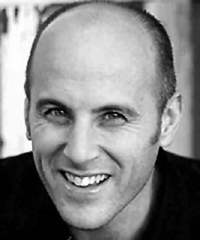
Mark Buchanan is pastor of New Life Community Baptist Church in Duncan, B.C. He is the author of The Holy Wild: Trusting God in Everything and Your God is Too Safe: Discovering the Wonder of a God You Can't Control (both Multnomah).