
December 2001
Learning literature from our elders
BC Christian News, · Arts
• Thomas L. Martin, editor: Reading the Classics With C.S. Lewis, Baker, 2000.
• Joseph Pearce: Literary Converts, Ignatius, 1999.
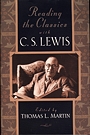
READING good literature is a pleasure in itself. But guides such as C.S. Lewis and the authors discussed in Literary Converts can deepen the experience still further.
Thomas Martin gathers together a number of experts to examine Lewis's love of literature, honed during his tenure as professor at Oxford and Cambridge. He says, "An underlying conviction of this book is that while many continue to read Lewis for his fictional, apologetical and theological writings, they underappreciate this fact: Lewis's mind was nurtured on the study of literature."
The academics contributing to this book consider him an extraordinary guide, and readers will no doubt agree.
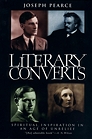
Literary Converts is a biographical exploration into the ways in which Christianity influenced many of the leading literary figures of the 20th century. Joseph Pearce argues that G.K. Chesterton's 'coming out' as a Christian, with the publication of Orthodoxy in 1908, "in many ways . . . heralded a Christian literary revival, which, throughout the twentieth century, represented an evocative artistic and intellectual response to the prevailing agnosticism of the age."
Among the authors considered in this significant book are Dorothy Sayers, T.S. Eliot, C.S. Lewis, J.R.R. Tolkien, Evelyn Waugh, Graham Greene, Muriel Spark and Malcolm Muggeridge.
Younger writers can learn from their elders; all of us can learn from their struggles to integrate faith and art.
FR