
Nomad moments
Mission Fields,
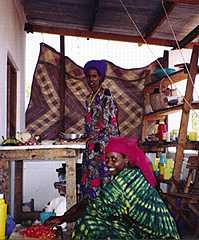
NOMADS are used to fine living. They enjoy the best of everything -- the best as they conceive it to be. They're usually the richest people around, in their arid neighbourhoods. Don't be fooled by looks. In a culture that defines a camel as we define a Cadillac, riches can look a little different.
They chase the rains. They are not farmers. They do not suffer droughts as prisoners of geography, confined to one place. They stay just long enough to give their flocks scant pasture and water. Then they disappear into the horizon. Unless, that is, they are refugees. Then they are stuck in dry places, trapped in camps for years. For them, life feels like it has come unglued. Sometimes they, too, become unhinged. Violent episodes erupt suddenly and intensely. So many people . . .
In northeast Kenya, 125,000 Somali refugees fill three refugee camps surrounding a town called Dadaab. They squeeze themselves into a stifling, marginal lifestyle. They huddle in groups, or look for shelter under a lonely, leafless tree. Rootless people parked in a place of many faceless persons. Poverty without peer support is a daunting reality in which to eke out your days. Time stretches, extending over relentless years.
Food day comes twice a month at the camps. The huge UN trucks pull up at the camp boundary, bedecked in blue tarps. Excited voices of women and children greet each truck's arrival. The UN is careful to give a positive gender spin to the food distribution. Women are their preferred target. They are the ones who must, in the end, feed families and care for children. Some of the men have a habit of withholding the grain allotment from their families to sell, gamble or siphon off in other ways. Feed a woman and you feed a family.
Industrious women divide their maize, corn and beans into two piles. They take one pile home for their weekly rations. The other they sell for hard cash, so they can make some small, necessary purchases. They can buy from a small array of goods on sale in the higgledy-piggledy markets that spring up quickly inside the camps.
They shop in the blistering heat. A semi-arid expanse of windswept sand-dust stretches as far as the eye can see. The tarps and black plastic garbage sacks form ragged roofs over the covered markets, flapping idly against the unpredictable desert wind. Inside, the heat is heavy and the air is still. The pungent smells -- overripe vegetables and incense -- sweeten the air. The buying and selling are muted; the conversation is livelier. Some of the market's precious luxuries may find their way back into refugee homes. Homes . . . bent sticks covered in ragged plastic bags and fragments of blue UN tarps. Homes held together by twine, wire and leather thongs.
As I move about between them, a mother shows me her young twins. The boy is thriving. He walks and smiles. The girl is too frail too walk. Loose and shriveled skin hangs in soft tucks and flaccid folds. They sag from her elbows, as her mother carries her on her hip. "Bwana, she will not eat." The mother explained to me in Swahili. The harsh fact is, she cannot eat what is not offered to her. With only enough food to feed one child the young boy wins out over his failing sister. The girl is starving. Soon she will be dead.
These are nomads with nowhere to go. No rains to follow. No camel. A few goats. Little hope. They rarely complain. They accept their lot in silent resignation of the will of Allah, a god they must pray to in another language. My time among them was all too brief. Nomad moments only. But I have fallen in love with this patch of desert and its harsh realities. One day, God willing, perhaps I may return.
Paul Beckingham is visiting professor of church and mission at Carey Theological College, Vancouver.